The Magic: Your New Favorite Handwritten Font
There are fonts that simply perform a function, and then there are fonts that feel like a creative partner. This is a fun and friendly handwritten font that immediately brings a sense of warmth and approachability to any project. Whether you’re using it for crafts, digital design, presentations, or creating greeting cards, this font has the potential to become your favorite font of choice, whatever the occasion. Its charm lies in its versatility and its ability to inject personality without overwhelming a design. Think of it as the visual equivalent of a warm, genuine smile—it makes a connection instantly.
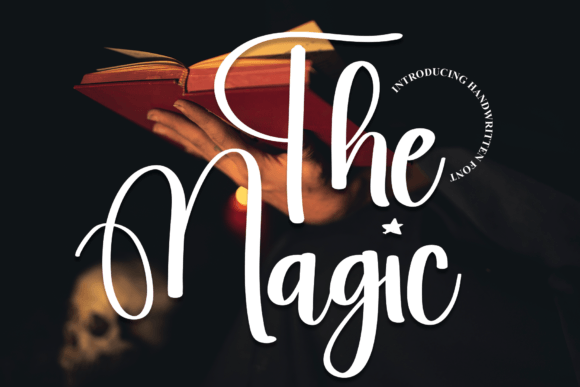
Visually, The Magic strikes a beautiful balance. It’s a handwritten font that avoids looking sloppy or childish. The letterforms have a consistent, flowing rhythm with just enough variation in stroke weight to feel authentically human. The character spacing is thoughtfully designed, ensuring words remain legible even at smaller sizes. It’s not a formal script font that demands a specific context; instead, it’s more like a friendly note from a creative professional. This makes it a powerful creative font for projects where you want to convey authenticity, approachability, and a touch of handmade care.
Where This Creative Font Truly Shines
Understanding where a font excels is key to using it effectively. The Magic is a display font at heart, meaning it’s designed to grab attention in headlines, titles, and short bursts of text. Its strength isn't in setting long paragraphs of body copy (where a clean sans serif font or readable serif font would be better), but in creating impactful moments. For logo design, especially for small businesses, boutiques, cafes, or creative studios, it can form the cornerstone of a friendly and memorable brand identity. Imagine it on a bakery’s logo, a yoga studio’s signage, or a boutique’s business card—it immediately sets a welcoming tone.
In marketing and social media graphics, this premium font is incredibly useful. It can make Instagram quotes, Facebook event headers, or Pinterest pins feel personal and engaging. For packaging design, think of artisanal products, handmade goods, or subscription box branding. The Magic adds a tactile, human element that can differentiate a product on a crowded shelf. In editorial design, it’s perfect for pull quotes, chapter titles in lifestyle magazines, or headers in a blog post about crafts or home décor. Its application in web design is best reserved for specific elements like a hero section headline, a call-to-action button, or a featured post title, where it can add flair without compromising the site’s overall usability.
Making It Work: Practical Font Guidance
Choosing a font like The Magic is just the first step. Using it well requires a bit of strategy. Start by evaluating the project’s tone. Is it playful, serious, elegant, or rustic? While The Magic is friendly, its effectiveness depends on context. Pair it thoughtfully. A common and effective approach is to combine it with a clean, neutral sans serif font for body text. This creates a clear visual hierarchy—The Magic draws the eye to key messages, while the sans serif ensures supporting information is easy to read. Avoid pairing it with another highly decorative or script font, as that often creates visual chaos.
Always test the font in the specific medium you’re using. How does it render on a website versus printed on textured paper? Check its readability at the size you intend to use. While it’s legible for a handwritten font, extremely small sizes or low-contrast color combinations (like light gray on white) can still cause issues. Review the included styles and character sets. Does it have the punctuation, numerals, and language support you need? For any commercial project, from a client’s brand identity to a product you plan to sell, understanding the commercial font license is non-negotiable. Ensure your license covers the intended use, whether it’s for digital products, print merchandise, or software embedding.
Ultimately, fonts like The Magic are more than just design assets; they are tools for communication. They help shape perception, build consistency across platforms, and foster recognition. By using it strategically—not as a default for everything, but as a deliberate choice for specific, personality-driven moments—you can leverage its friendly charm to create more engaging, professional, and cohesive designs that truly connect with your audience. It’s a typeface that, when used thoughtfully, doesn’t just present information but helps tell your story.