Goldfinch: A Handwritten Font for Warm, Authentic Designs
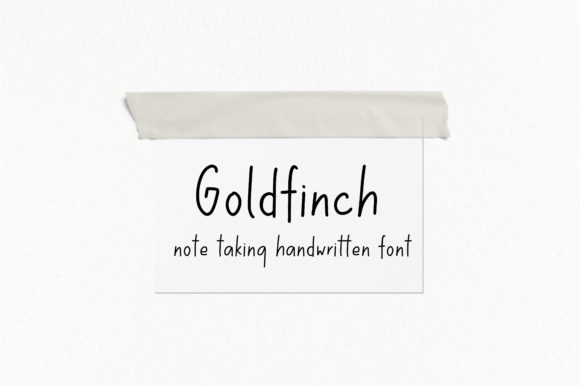
In a digital world saturated with clean, geometric sans serifs and predictable serif fonts, there's a growing hunger for something with a human touch. We crave designs that feel approachable, genuine, and crafted with care. This is precisely where a font like Goldfinch steps in. It's not just another script font; it's a sweet and friendly handwritten typeface that carries a distinct personality. Its natural, slightly imperfect strokes evoke the warmth of a personal note, making it a powerful tool for any designer, entrepreneur, or creator looking to build a real connection with their audience.
The Visual Character and Natural Appeal
Goldfinch strikes a beautiful balance between legibility and organic charm. Unlike some overly flourished script fonts that can sacrifice readability for style, Goldfinch remains clear and approachable. The letterforms have a consistent, flowing rhythm, with gentle loops and a slight baseline variation that mimics authentic handwriting without descending into chaos. Its style feels modern yet timeless—avoiding trendy extremes that might date your work quickly. This makes it an incredibly versatile premium font. It doesn’t scream for attention with loud gestures; instead, it invites the viewer in with a confident, friendly whisper.
The true strength of Goldfinch lies in its emotional resonance. Typography theory often discusses how fonts have "voices." Goldfinch's voice is warm, trustworthy, and creative. It feels personal, like a handwritten note from a friend or a carefully drawn label on a artisanal product. This emotional quality is something a standard sans serif font or a formal serif font simply cannot replicate. It instantly injects a layer of personality and approachability into any project, which is invaluable for building brand identity and audience engagement.
Practical Applications: Where Goldfinch Truly Shines
The versatility of this creative font is one of its greatest assets. It's not a one-trick pony confined to wedding invitations. Its sweet, friendly nature makes it a perfect fit for a wide array of real-world applications across both digital and print media.
For brand identity and logo design, Goldfinch excels for businesses that want to project a human-centric, artisanal, or boutique image. Think of a local coffee roaster, a handmade jewelry brand, a boutique marketing agency, or a wellness coach. Using Goldfinch in a logo or on business cards immediately communicates a personal, hands-on approach. It tells customers there's a real person behind the brand who cares about craft and connection.
In editorial design and packaging design, this handwritten font is a natural. It’s perfect for pull quotes, chapter headings, or product names that need to stand out with a touch of elegance and warmth. On packaging, it can make a product feel more premium and thoughtfully designed, especially when paired with a clean sans serif for body text. For bloggers and content creators, Goldfinch works beautifully for featured image text, podcast artwork, or YouTube thumbnails, adding a personal signature that helps content feel more authentic and less corporate.
The digital space is another area where Goldfinch thrives. In web design, it can be used sparingly for impactful headlines, calls-to-action, or hero section text to draw the eye and set a friendly tone. Its application in social media graphics is particularly effective. An Instagram quote graphic, a Facebook ad for a new course, or a Pinterest pin for a DIY project all benefit from the approachable and engaging quality Goldfinch provides. It helps content stand out in a fast-scrolling feed because it feels more personal and less like an ad.
Making It Work: Pairing, Readability, and Licensing
Integrating a display font like Goldfinch effectively requires some thoughtful consideration. The goal is to let its personality shine without compromising the clarity of your message. Here’s some practical guidance for using it successfully.
Font Pairing is Key: Goldfinch should rarely be used for large blocks of body copy. Its strength is in headlines, subheadings, and accent text. To create a strong visual hierarchy, pair it with a highly readable sans serif font or a simple serif font. A clean sans serif like Lato, Open Sans, or Montserrat provides a modern, stable counterpoint. A classic serif like Lora or Merriweather can create a more elegant, editorial feel. The contrast between the handwritten style and the structured companion font creates a balanced and professional look.
Evaluate for Your Project: Before committing, ask yourself: Does this font’s personality match my project’s tone? A friendly, handwritten font is perfect for a children’s book author or a yoga studio, but might not be the right fit for a corporate law firm or a fintech startup. Always test the font with your actual content. See how it looks with your brand name, a key headline, and a sample sentence. Check its readability at the sizes you plan to use, especially on mobile devices.
Understand the Package: A good commercial font like Goldfinch often comes with more than just the basic letters. Review the font files to see what’s included. Look for alternate characters, ligatures, or stylistic sets that can add even more variety and a custom feel to your typography. These extras are part of the value of investing in a premium font and can help your designs feel truly unique.
Licensing Matters: If you’re using Goldfinch for a client project, a product you sell, or a business venture, ensure you have the correct commercial license. Most font licenses are based on usage (e.g., number of users, types of projects). Purchasing from a reputable foundry or marketplace ensures you have the legal right to use the font in your work, protecting both you and your clients. This is a crucial step that professional designers and business owners never overlook.
Ultimately, Goldfinch is more than just a set of glyphs. It’s a design asset that can help you tell a more compelling and human story. By understanding its character and applying it with intention, you can leverage its sweet, friendly nature to create designs that don’t just look good, but feel genuinely connected to your audience. The only limit, as they say, is your imagination.