Requited Script Embroidery Font: A Designer's Guide
As a designer or creative professional, you understand that typography is the voice of a project. It sets the tone, communicates personality, and guides the viewer's eye. In the world of embroidery and textile design, this principle is even more critical. The right font doesn't just convey words; it conveys texture, emotion, and craftsmanship. This is where a specialized premium font like Requited Script Embroidery Font becomes an invaluable asset in your toolkit. It's not merely a set of characters; it's a design system built for a specific, tactile medium.
Visual Character and Design DNA
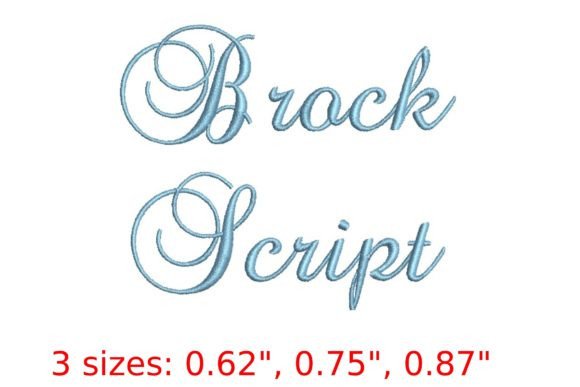
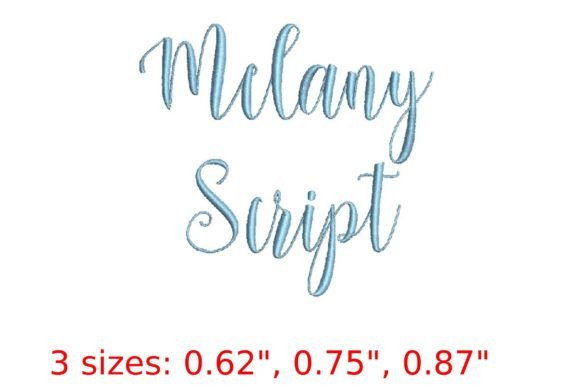
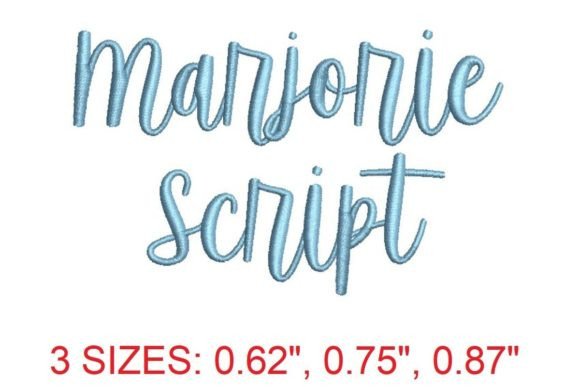
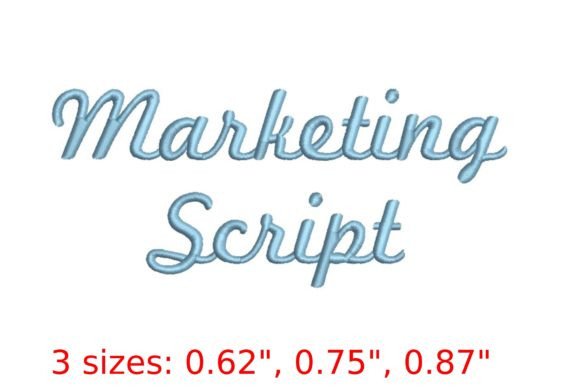
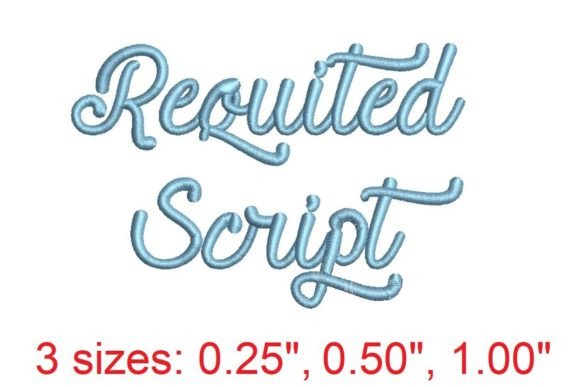
Requited Script is a script font that embodies a sense of romantic elegance and fluid motion. Its visual characteristics are defined by graceful, connected letterforms that mimic the natural flow of hand-lettering with a pointed pen or brush. The strokes exhibit a delicate contrast between thick and thin, giving the letters a dynamic, lively quality. You'll notice subtle swashes and flourishes that add a layer of sophistication without overwhelming the text. This isn't a stiff, formal calligraphy; it's a handwritten font with a personal, approachable warmth. Its personality is one of timeless romance, making it ideal for projects that require a touch of intimacy and artistry. The overall appeal lies in its ability to feel both classic and fresh, avoiding the sometimes dated look of more ornate script fonts.
Strategic Applications: From Brand Identity to Personal Craft
Understanding a font's strengths allows you to deploy it effectively. Requited Script excels in scenarios where emotional connection and aesthetic refinement are paramount. Its applications span a wide range of creative and commercial projects.
- Brand Identity & Logo Design: For businesses in the wedding, boutique, floral, or artisanal food sectors, this font can form the core of a beautiful brand identity. Use it for logos, wordmarks, and monograms to instantly communicate elegance and care. Paired with a clean sans serif font for body text, it creates a balanced and professional visual hierarchy.
- Editorial and Packaging Design: In editorial design, it’s perfect for magazine headlines, chapter titles, or pull quotes in lifestyle and fashion publications. For packaging design, it adds a premium, handmade feel to labels for cosmetics, specialty foods, or gift items.
- Digital Presence and Social Media: On the web, use it sparingly for hero section quotes, call-to-action buttons, or special announcement banners to draw attention. For social media graphics, it creates stunning Instagram stories, Pinterest pins, and Facebook covers that stand out in a crowded feed. Its high readability at larger sizes makes it a strong display font.
- Textile and Embroidery Projects: Naturally, its primary purpose shines here. It transforms ordinary garments, home textiles (like pillowcases or towels), and accessories into personalized works of art. It's perfect for monogramming, adding inspirational quotes to wall art, or creating bespoke gifts that carry a deeply personal touch.
Making Informed Design Decisions
Choosing a creative font is a strategic decision. Here’s how to evaluate and implement Requited Script effectively.
Evaluating Project Fit and Readability
Before selecting any typeface, consider your project's core message and audience. Requited Script is ideal for projects where a human, emotional connection is the goal. It may not be the best choice for technical manuals or data-heavy reports. Always prioritize readability. For embroidery, this means ensuring the letter size is large enough for the stitch count to be clear. The provided PDF with dimension details for all 156 characters is crucial for planning your stitch work, allowing you to calculate hoop size and design placement accurately.
Testing Font Pairings and Exploring Styles
No font is an island. Effective font pairing creates contrast and guides the viewer. The romantic nature of Requited Script pairs beautifully with grounded, geometric sans serif fonts (like Montserrat or Lato) or classic serif fonts (like Times New Roman or Georgia). Use the script for headlines and the simpler font for paragraphs. Review the full character set—look for alternate letters, ligatures, and special symbols. These extras can add unique flair to a logo or monogram, making your design truly one-of-a-kind.
Understanding Licensing and File Formats
For any commercial project, commercial licensing is non-negotiable. Ensure the license covers your intended use, whether for a client's logo, products for sale, or digital marketing assets. Requited Script's inclusion of multiple embroidery file formats (like .PES, .DST, .EXP, etc.) is a practical advantage, offering compatibility with various embroidery machines from brands like Brother, Janome, and Bernina. This versatility makes it a reliable component of your design assets library, ready for both digital mockups and physical production.
Incorporating a font like Requited Script into your work is about more than just aesthetics; it's about choosing a tool that communicates a specific value and feeling. It allows you to stitch not just words, but emotions into your designs, elevating them from simple text to cherished keepsakes. By understanding its character, applications, and technical specifications, you can leverage this font to create projects that resonate deeply with your audience, whether they are clients, customers, or loved ones.