Paris 1920: Capturing the Spirit of the Art Deco Era in Your Designs
There is a specific kind of elegance that defines the 1920s—an era of bold geometry, artistic rebellion, and sophisticated charm. If you are looking to infuse that specific "Roaring Twenties" vibe into your modern projects, Paris 1920 is a typeface that delivers exactly that energy. Created by Klapaucius Co., this handmade vintage font is more than just a collection of letters; it is a carefully crafted tool for designers, entrepreneurs, and creators who want to add a layer of historical character to their work without sacrificing modern usability.
Unlike mass-produced typefaces that often feel sterile, Paris 1920 carries the warmth of hand-drawn lettering. It bridges the gap between a casual handwritten font and a polished display font, making it a versatile premium font choice for a variety of creative contexts. Whether you are designing a wedding invitation, branding a boutique shop, or creating social media graphics, understanding how to leverage this typeface can significantly elevate your visual storytelling.
The Visual Character of Paris 1920
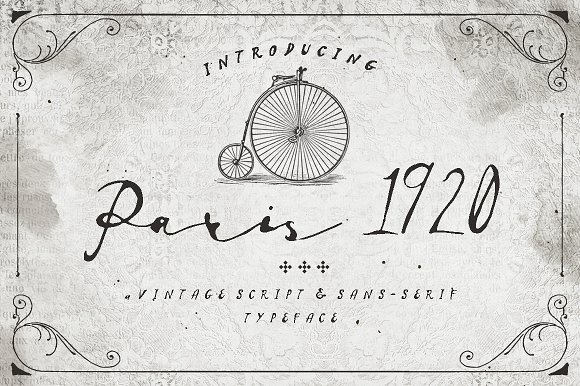
The immediate appeal of Paris 1920 lies in its duality. It manages to feel both structured and organic. The letterforms exhibit a classic handwriting style, but they are grounded by an Art Deco influence that gives them a sense of stability and sophistication. This is not a chaotic scrawl; it is a deliberate, stylized script that commands attention while remaining approachable.
Klapaucius Co. has designed this font to work as a cohesive family, offering two distinct versions that solve different design problems:
- Paris 1920 Script: This is the showstopper. It features fluid connections and a rhythmic flow that mimics natural penmanship. It is ideal for adding a personal, intimate touch to designs. The script version works exceptionally well for headers, logos, and accents where you want the text to feel "lived-in" and authentic.
- Paris 1920 Sans Serif: This counterpart provides the necessary balance. It shares the same vintage DNA but offers a cleaner, more legible structure for body text or supporting information. It prevents the overall design from becoming too cluttered when paired with the script version.
The visual personality of this typeface is confident yet whimsical. It avoids the rigidity of modern geometric sans-serifs and the stuffiness of traditional formal scripts. Instead, it occupies a unique space in modern typography that feels nostalgic but fresh.
Strategic Applications: Where to Use This Typeface
Choosing a creative font is about more than just aesthetics; it is about context. Paris 1920 shines brightest when used in projects that require a human touch or a retro-modern aesthetic. Here is how different professionals can apply this typeface effectively.
Branding and Logo Design
For brand identity, font choice dictates personality. Paris 1920 is an excellent candidate for brands that want to appear artisanal, boutique, or creative. Think of a craft coffee roaster, a vintage clothing store, or a high-end bakery. Using the Script version for the primary logo wordmark creates an immediate emotional connection with the audience, suggesting that the brand values quality and craftsmanship over mass production.
Publishing and Editorial Design
In editorial design, hierarchy is everything. Paris 1920 works beautifully as a headline font for magazines, blog headers, and book covers. Its distinct silhouette ensures that titles stand out on a crowded page. For example, a lifestyle magazine featuring articles on travel or history would benefit from the font’s nostalgic vibe, setting the mood before the reader even engages with the first paragraph of body copy.
Packaging and Print
Packaging design is another area where this font excels. On physical products, the texture of the font matters. Because Paris 1920 looks handmade, it translates well to labels, stickers, and signage. It suggests that the product inside is bespoke. When printed on textured paper or embossed on boxes, the font’s character enhances the tactile experience of the brand.
Digital and Social Media
In the fast-paced world of web design and social media, stopping the scroll is the primary goal. The unique curves and vintage flair of Paris 1920 can make social media graphics pop. It is particularly effective for quote graphics, sale announcements, or Instagram Stories where you want to mimic the look of a handwritten note but maintain a level of professionalism.
Design Principles: Readability and Visual Hierarchy
A common mistake in using decorative or script fonts is prioritizing style over substance. However, Paris 1920 was designed with usability in mind. To ensure your designs remain professional and effective, consider these practical guidelines.
Visual Hierarchy: Use Paris 1920 to create a clear distinction between your primary message and your secondary information. For instance, use the Script version for the main headline to grab attention, and pair it with the Sans Serif version for subheadings. This maintains the vintage theme while ensuring the information is digestible.
Readability: While the font is legible at display sizes, it is not designed for long-form body text. Avoid using the Script version for paragraphs, as the eye fatigue will reduce engagement. Instead, use a neutral serif or sans-serif font for body copy and let Paris 1920 handle the "heavy lifting" of the headline.
Font Pairing: Successful font pairing relies on contrast and harmony. Paris 1920 pairs well with clean, geometric sans-serifs (like Montserrat or Lato) for a modern twist, or with classic serif fonts (like Garamond) for a fully vintage aesthetic. The goal is to let the personality of Paris 1920 shine without competing against other complex typefaces.
Practical Guide to Implementation
Before integrating Paris 1920 into your workflow, it is essential to evaluate the technical and licensing aspects of the font to ensure a smooth design process.
- Evaluate Project Fit: Ask yourself if the font aligns with the project's tone. Paris 1920 is a creative font, so it may not be suitable for corporate finance reports or medical documentation. It fits best where creativity and personality are valued.
- Check the Styles: Take inventory of the included styles. Having both the Script and Sans Serif versions allows you to create complex layouts using a single font family, which simplifies file management and ensures visual consistency.
- Licensing: Since this is a commercial font, always verify the license. If you are using it for a client project, a logo that will be trademarked, or merchandise for sale, ensure you have the appropriate commercial license from Klapaucius Co. This protects both you and your client legally.
- Test at Scale: Before finalizing your design, test the font at the actual size it will be viewed. Check the kerning (spacing between letters) and ensure that the specific letters in your copy connect smoothly, particularly in the script version.
Ultimately, Paris 1920 is more than just a vintage font; it is a design asset that brings history and personality to the digital age. By understanding its strengths in logo design, packaging, and editorial