Glasser: The Bold, Modern Font That Makes Your Designs Pop
When you're working on a project that needs to grab attention immediately—whether it's a social media post, a book cover, or a brand logo—your font choice carries enormous weight. You need something that feels contemporary, confident, and full of personality without overwhelming the viewer. That's exactly where Glasser enters the conversation. This modern wide sans display font has been quietly making waves among designers and creative professionals who want their typography to do more than just sit on a page.
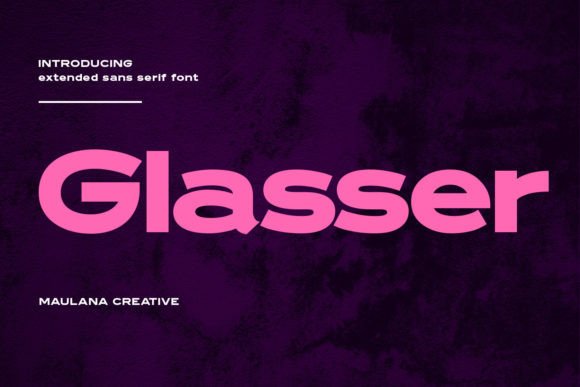
Glasser isn't your average typeface. It features bold, wide strokes that command space and create a strong visual presence the moment you apply it to any layout. The character set carries a fun, approachable energy that balances professionalism with creativity. What really sets it apart, though, are the included ligatures and alternate characters. These design details give you flexibility to customize the look and feel of your text, making each project feel intentional and polished rather than generic.
Understanding the Visual Personality of Glasser
Every font communicates something before a single word is read. Glasser communicates modernity, strength, and a touch of playfulness. The wide proportions give letters room to breathe, which creates a sense of openness and confidence. Unlike condensed typefaces that can feel tight and urgent, Glasser spreads out and claims its space with authority.
The bold strokes are thick enough to make an impact at large sizes, which is exactly what you want from a display font. At the same time, the letterforms maintain enough clarity and structure that they don't descend into chaos. The slight quirks in certain characters—the ligatures that connect letters in unexpected ways, the alternate forms that swap in for a fresh look—add personality without sacrificing legibility. This is a typeface that understands the balance between standing out and staying readable.
Think about the brands and designs that catch your eye on a daily basis. They often use typography that feels distinctive but not distracting. Glasser fits that mold perfectly. It has enough character to be memorable, but it doesn't try so hard that it becomes exhausting to look at. That combination is harder to find than most people realize.
Where Glasser Shines Across Creative Projects
The versatility of Glasser is one of its strongest qualities. This isn't a font locked into a single use case. It adapts across a surprisingly wide range of applications, and understanding those applications helps you get the most value from this premium font.
Logo Design and Brand Identity
For logo design, Glasser offers a foundation that feels both modern and timeless. The wide letterforms create balanced, symmetrical marks that work well across different scales—from a favicon on a website to a sign on a storefront. The alternates and ligatures let you customize a wordmark so it feels unique to the brand rather than something pulled straight from a font library. If you're building a brand identity for a startup, a lifestyle company, or a creative agency, Glasser gives you a starting point that already feels polished and intentional.
Social Media and Digital Content
Social media is a battlefield for attention. You have seconds—sometimes less—to stop someone from scrolling. Social media graphics set in Glasser have a natural advantage because the bold, wide letterforms are impossible to ignore at thumbnail sizes. Whether you're creating Instagram story templates, YouTube thumbnails, or Pinterest pins, this font holds its own against busy backgrounds and competing visual elements. It pairs beautifully with photography and illustration, creating text overlays that feel integrated rather than pasted on.
Publishing and Editorial Design
Book titles, magazine headlines, and editorial layouts benefit enormously from a strong display font. Glasser works exceptionally well for movie titles, book covers, and chapter headings where you need type that feels cinematic and engaging. In editorial design, it serves as a powerful headline font that draws readers into the content. Paired with a clean serif font for body text, it creates a visual hierarchy that guides the reader's eye naturally from headline to paragraph.
Packaging and Print Design
Product packaging demands typography that communicates quickly and leaves a lasting impression. Glasser's bold presence makes it suitable for packaging design where shelf appeal matters. Food products, cosmetics, craft beverages, and boutique goods can all benefit from a typeface that feels modern and distinctive without being trendy in a way that dates quickly.
How Glasser Influences Design Outcomes
Choosing the right font isn't just an aesthetic decision—it directly affects how your audience perceives and interacts with your work. Here's how Glasser influences key design outcomes.
Visual hierarchy. Because Glasser is a bold, wide typeface, it naturally occupies the top of the visual hierarchy. Use it for headlines, titles, and key messaging, and pair it with lighter typefaces for supporting text. This creates a clear reading order that makes your layouts feel organized and intentional.
Brand perception. Fonts shape how people feel about a brand before they engage with its content. Glasser projects confidence, modernity, and approachability. It's well suited for brands that want to feel current and energetic without being aggressive or overly corporate.
Audience engagement. Typography that feels fresh and well chosen encourages people to spend more time with your content. Whether it's a website landing page, a printed brochure, or a social media carousel, using Glasser strategically can improve the overall experience and keep your audience engaged longer.
Practical Guidance for Working with Glasser
Before you commit Glasser to a project, take some time to evaluate whether it's the right fit. Consider the tone and personality of the project. Glasser leans modern and energetic, so it pairs well with brands and projects that share those qualities. For more traditional or formal contexts, you might reserve it for accent elements rather than primary text.
Test font pairing options early in your process. Glasser works well alongside classic serif fonts like Garamond or Georgia for a sophisticated contrast. It also pairs nicely with clean sans serif fonts for a fully modern look. If your project calls for warmth and personality, try combining it with a script font or handwritten font for accent text. The key is contrast—you want the supporting typeface to complement Glasser without competing with it.
Review the included styles, ligatures, and alternates before you start designing. Many designers overlook these features and miss opportunities to customize their work. The alternates in Glasser can transform the look of a word or headline, giving you more control over the final result.
Pay attention to readability at different sizes. Glasser excels as a display font for large text, but like most wide, bold typefaces, it can become harder to read at very small sizes. Use it for headlines, titles, and short blocks of text rather than extended paragraphs. For longer content, switch to a more traditional sans serif font or serif font optimized for body copy.
Finally, confirm that the commercial font license covers your intended use. Whether you're designing for a client, creating products for sale, or building design assets for your own brand, make sure the licensing terms align with your project. Reputable font foundries provide clear licensing information, so review it before purchasing.
Bringing It All Together
Glasser is a creative font that earns its place in a designer's toolkit. Its bold, wide letterforms, fun personality, and thoughtful design features make it a strong choice for projects ranging from logo design and brand identity to web design, publishing, and social media graphics. It's the kind of modern typography that feels current without being fleeting, distinctive without being impractical.
The best way to understand what Glasser can do for your work is to test it. Drop it into a layout, experiment with the alternates, pair it with your favorite body text font, and see how it transforms the overall feel of the design. You might be surprised at how much a single typeface can elevate a project from ordinary to exceptional.