Emoking: Where Ancient Script Meets Modern Edge
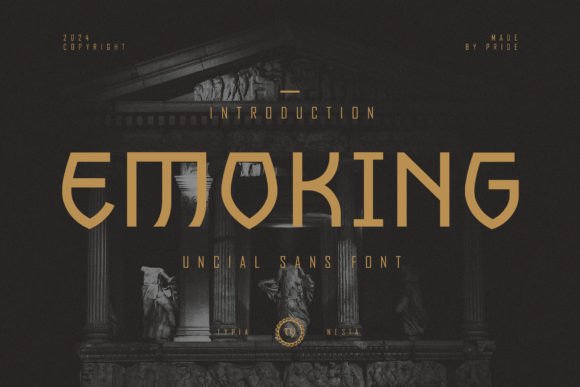
Have you ever looked at a design and felt it was both familiar and completely new? That’s the power of a typeface with a story. Emoking isn’t just another font; it’s a conversation between centuries. It takes the soft, rounded, and slightly mystical forms of historical uncial script and filters them through the crisp, functional lens of a modern sans serif. The result is a premium font that feels grounded in history yet perfectly suited for today’s digital and print landscapes.
The Personality Behind the Letters
At first glance, Emoking presents a friendly, approachable face. The rounded terminals and gentle curves soften the typically stark nature of a sans serif font, inviting the viewer in. Yet, there’s an underlying structure and clarity that prevents it from looking overly whimsical or childish. This balance is key. It carries a sense of heritage without the stuffiness of a traditional serif font, and it avoids the cold, corporate feel of many geometric sans serifs.
Think of it as a creative font with serious intent. The subtle nods to uncial forms give it a touch of the handcrafted, almost like a script font that decided to grow up and get a sharp, professional edge. This duality makes it incredibly versatile. It can feel artisanal and warm for a coffee brand, or authoritative and timeless for a history museum’s brand identity. It’s this nuanced personality that allows Emoking to elevate a project from simply looking good to feeling intentionally designed.
Putting Emoking to Work: Real-World Applications
Knowing a font looks interesting is one thing; knowing where it truly shines is where the practical value lies. Emoking excels in contexts where you need to capture attention and convey a specific blend of qualities: approachability, tradition, and contemporary sophistication.
In logo design and branding, it creates instant distinction. A coffee roaster, a boutique brewery, an artisanal bakery, or a heritage clothing line could use Emoking to build an identity that feels authentic and story-rich. For book covers, particularly in genres like historical fiction, fantasy, or even modern literary fiction with a classic twist, it sets the mood before a single page is turned. Its strong display qualities make it a natural for signage and display where you need to be read from a distance but still convey a specific vibe.
The applications extend seamlessly into the digital realm. For web design, it works beautifully as a headline font, capturing the user’s eye and setting the site’s tone. In social media graphics, it can help your posts stand out in a crowded feed, offering a refreshing break from the overused minimalist sans serifs and overly casual handwritten fonts. For editorial design—think magazine features, poster layouts, or annual reports—it adds a layer of visual interest and sophistication that plain text simply cannot achieve.
Even in packaging design, Emoking can be a game-changer. Imagine it on a line of organic teas, a series of craft spirits, or a specialty food product. It communicates quality, care, and a brand with depth. For personal projects like wedding invitations, event signage, or creative portfolios, it offers a sophisticated combination of historical and contemporary that feels personal and polished.
Making It Work for You: Practical Guidance
Choosing the right font is about more than just liking how it looks in a specimen sheet. Here’s how to evaluate and implement Emoking effectively.
- Evaluate the Fit: Does your project need to bridge a gap between old and new? If you’re designing for a brand that values tradition but operates in a modern space, Emoking is a strong candidate. Test it against your project’s core message.
- Consider Readability: While its display strength is undeniable, for long blocks of body text, you’ll likely want to pair it with a more neutral, highly readable sans serif font or a classic serif font. Emoking is best used for headlines, titles, logos, and pull quotes where its unique character can be fully appreciated without taxing the reader.
- Master Font Pairing: The goal of a good font pairing is contrast and harmony. Pair Emoking with a clean, geometric sans serif for a modern, clean look. Alternatively, combine it with a traditional serif to lean into its historical roots. The key is to let Emoking be the star in the headlines while its partner does the heavy lifting in the body copy.
- Check the Styles: A quality premium font like Emoking will often come with multiple weights and styles (e.g., Regular, Bold, Italic). Review these to ensure you have enough flexibility for creating clear visual hierarchy in your designs—from main titles to subheadings and captions.
- Understand the License: If you’re using it for client work, merchandise, or an app, you need a proper commercial font license. Always verify that the license covers your intended use to avoid legal issues down the line. Reputable foundries are clear about their licensing terms.
Ultimately, Emoking is more than a design asset; it’s a strategic tool. It can influence how an audience perceives a brand at a glance—whether as trustworthy and established, creative and innovative, or both. By understanding its personality and applying it thoughtfully, you can use this unique typeface to create designs that don’t just look good, but feel meaningful and memorable. In a world of fleeting trends, a font with genuine character helps your work stand the test of time.