Ruhia Arabic: A Typeface That Bridges Calligraphy and Modern Design
Finding a typeface that carries genuine cultural weight without sacrificing contemporary function can be a real challenge. Many decorative fonts lean too heavily into one direction—either feeling like a novelty or losing their distinctive character. Ruhia Arabic takes a different approach. It’s a premium font that draws its visual DNA from Middle Eastern calligraphic traditions, yet it’s engineered to perform seamlessly in standard Latin-based design workflows. The result is a typeface with a strong, expressive personality that doesn’t compromise on readability or versatility.
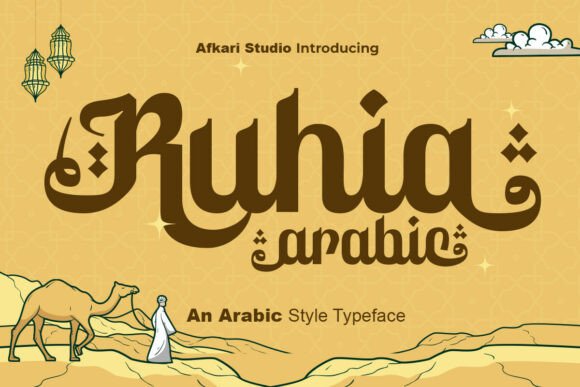
The visual character of Ruhia Arabic is defined by its flowing curves, sharp terminals, and rhythmic, energetic strokes. These elements aren’t just decorative; they’re rooted in the proportional logic and gestural beauty of traditional Arabic script. When set as a headline or used in logo design, the font commands attention with its bold presence. It feels both luxurious and authentic, making it an excellent choice for projects that need to convey elegance, heritage, or a touch of the exotic without appearing costume-like.
Where This Font Truly Shines: Practical Applications
Ruhia Arabic isn’t a one-trick pony. Its design is flexible enough to adapt to a wide range of creative projects, making it a valuable addition to any designer’s toolkit. For brand identity work, it can establish a strong visual signature for businesses in the food, hospitality, travel, or luxury goods sectors. Imagine it on a high-end restaurant menu, the packaging for gourmet spices, or the branding for a boutique hotel. The typeface instantly sets a mood of sophistication and cultural depth.
In editorial design and packaging design, Ruhia Arabic excels at creating focal points. Use it for chapter titles in a cookbook, feature headers in a travel magazine, or product names on cosmetic labels. For digital creators, it’s a powerful tool for social media graphics, event posters, and web design hero sections—especially for Ramadan campaigns, cultural festivals, or travel promotions. Its high-impact display quality makes it perfect for any context where you need to grab attention quickly and leave a lasting impression.
Pairing and Practicality: Making Ruhia Arabic Work for You
Integrating a distinctive display font like Ruhia Arabic into a design system requires thoughtful pairing. Because it has such a strong voice, it pairs best with clean, neutral companions. A simple sans serif font for body text or a straightforward serif font for longer descriptions will provide a quiet backdrop that lets Ruhia Arabic’s details shine. Avoid pairing it with other ornate script fonts or handwritten fonts, as this can create visual clutter and reduce overall legibility.
From a technical standpoint, Ruhia Arabic is built for ease of use. It comes in standard OTF, TTF, and WOFF2 formats, ensuring compatibility across all major platforms and design software—from Adobe Creative Suite to Microsoft Word. The inclusion of PUA encoded characters means you have full access to its alternates and special glyphs without needing advanced software knowledge. It also includes multilingual support, covering characters for German, Spanish, and other Western European languages, which is essential for international branding and publishing.
A Few Final Considerations Before You Choose
Before selecting Ruhia Arabic for a project, consider the context and audience. While it’s incredibly versatile, its cultural resonance means it’s most effective when the subject matter aligns with its aesthetic. It’s perfect for a Middle Eastern restaurant, a cultural blog, or an Islamic art gallery. For a generic tech startup, however, it might feel incongruous. Always test the font in your specific layout to evaluate its readability at different sizes, especially for smaller subheadings or pull quotes.
Think about the overall visual hierarchy you want to create. Ruhia Arabic is designed to be a star player, so use it strategically for headlines, logos, and key phrases where its personality can have the most impact. For body copy, always revert to a more neutral, highly legible typeface. By using Ruhia Arabic intentionally, you can elevate a design, strengthen brand perception, and create a cohesive, professional aesthetic that resonates with your target audience. It’s more than just a creative font; it’s a design asset that brings a specific, valuable narrative to your work.