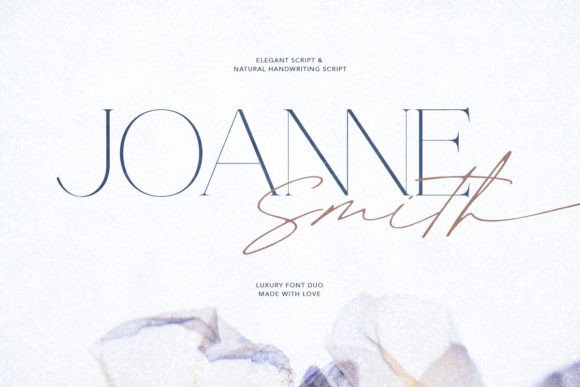
Joanne Smith: The Elegant Font Duo for Timeless Design
Understanding the Joanne Smith Typeface
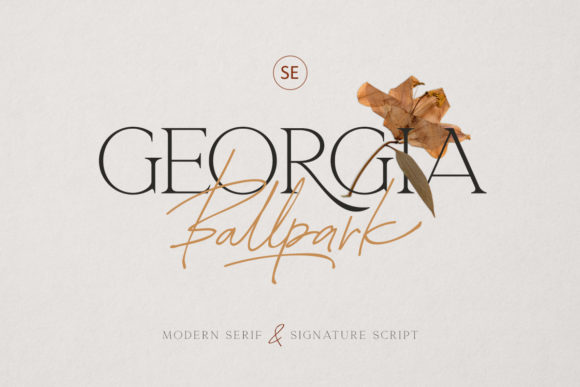
Finding the right typography often feels like searching for a missing puzzle piece. You have the layout, the imagery, and the copy, but the font needs to tie it all together without causing friction. Joanne Smith solves a specific problem in the design world: the struggle to pair fonts effectively. It is a premium font duo that packages two distinct styles—a refined serif font and a fluid handwritten font—into a single cohesive unit.
At its core, Joanne Smith is about balance. The serif component offers the structure and legibility required for professional documents and body text. It features clean lines and a classic aesthetic that suggests stability. On the other side, the script element brings a human touch. It mimics natural handwriting, offering a fluid, organic counterpoint to the rigid geometry of the serif. This combination allows designers to create visual hierarchy instantly. You can use the serif for headlines that demand authority and the script for accents that require intimacy, or vice versa.
The personality of this typeface is best described as modern elegance with a warm undertone. It avoids the stiffness of traditional corporate fonts while steering clear of the chaotic illegibility sometimes found in artistic scripts. It sits in a sweet spot that appeals to a wide demographic, making it a versatile asset in any creative font library.
Real-World Applications: Where Joanne Smith Shines
When you are building a brand identity, consistency is key. Joanne Smith provides a built-in solution for maintaining a unified look across different media. Because the two styles were designed to complement each other, you eliminate the guesswork involved in font pairing. This is particularly valuable for entrepreneurs and small business owners who may not have a dedicated design team.
Consider wedding invitations and stationery. This is perhaps the most natural environment for the Joanne Smith script. The script font mimics the elegance of hand-lettered calligraphy, adding a personal, romantic touch to save-the-dates and thank-you cards. However, unlike actual handwriting, it remains consistent across hundreds of prints. You can use the serif font for the venue details and time, ensuring the logistical information is easy to read, while using the script for the names of the couple to add that celebratory flair.
Beyond events, this duo excels in packaging design and product labels. Imagine a boutique candle brand or a small-batch skincare line. The serif font can communicate the ingredients and safety information clearly, meeting commercial standards. Meanwhile, the handwritten font can be used for the product name or a tagline, giving the product a homemade, artisanal feel that resonates with consumers looking for authenticity. This application of modern typography helps products stand out on crowded shelves by signaling both professionalism and personality.
Digital Presence and Editorial Layouts
In the realm of web design and social media graphics, attention spans are short. Joanne Smith helps create focal points. On a website, you might use the serif for navigation and body copy to ensure readability across devices, while using the script font for pull quotes or call-to-action buttons. This draws the user’s eye to specific areas without overwhelming the page with decorative text.
For editorial design, such as blog headers or magazine layouts, this typeface offers a dynamic range. A lifestyle blogger can use the script to overlay a photo for a "quote of the day" graphic on Instagram, then switch to the serif for the main article text on their website. This creates a seamless transition between social platforms and owned media, strengthening brand recognition.
Strategic Typography: Influence on Brand Perception
Typography is silent communication. The fonts you choose tell your audience how to feel about your brand before they read a single word of your copy. Using a display font like the Joanne Smith script signals creativity, approachability, and elegance. It suggests that the brand values aesthetics and personal connection. Conversely, relying on the serif component signals reliability, tradition, and clarity.
By utilizing Joanne Smith effectively, you can manipulate visual hierarchy. This is the arrangement of elements to show their order of importance. In a marketing flyer, for example, the handwritten font should be reserved for the "hook"—the big idea or the emotional appeal. The serif font should handle the "meat"—the details, the pricing, and the contact information. This prevents visual clutter and guides the reader through the content logically.
Furthermore, using a premium font elevates the perceived value of your work. Free fonts often come with limited character sets or kerning issues that can make a design look amateurish. A polished typeface like Joanne Smith ensures that letter spacing and ligatures are handled correctly, resulting in a professional finish that builds trust with your audience.
Practical Guidance for Designers and Creators
If you are considering adding Joanne Smith to your design assets, here is how to approach it practically. First, evaluate the project fit. This font is ideal for projects that require a balance of sophistication and warmth. It works beautifully for fashion lookbooks, bakery menus, coaching business cards, and author bios. It is less suited for heavy industrial design or technical manuals where extreme coldness or utilitarianism is required.
When testing the font, pay close attention to readability. While the script is elegant, script fonts generally should not be used for long paragraphs of text. Use the handwritten font for headlines, sub-headers, and short accents. Use the serif font for the bulk of your information. This ensures that your message is communicated clearly without sacrificing style.
Consider the environment. For logo design, Joanne Smith offers a unique advantage. You can create a logomark that utilizes both the serif and script elements, creating a lockup that is distinct and memorable. However, always check the legibility at small sizes. A complex script might lose detail when scaled down for a favicon or a mobile app icon.
Licensing and Versatility
Because Joanne Smith is a commercial font, it comes with the licensing required for professional use. This is crucial for businesses. Using unlicensed fonts in commercial projects can lead to legal complications. Having a clear license allows you to use the font on products for sale, in advertising, and across digital platforms with confidence.
The versatility of this duo also extends to mixing weights and styles. Play with the contrast between bold and light versions if available. A heavy serif paired with a delicate script can create a dramatic look, while a lighter serif paired with a flowing script feels airy and romantic. Experimentation is part of the process, but Joanne Smith provides the foundational structure to make those experiments successful.
Ultimately, Joanne Smith is more than just a collection of letters; it is a functional tool for storytelling. It bridges the gap between the structured needs of business and the emotional needs of design. Whether you are a crafter making personalized gifts, a publisher designing a book cover, or a marketer creating a campaign, this typeface offers the flexibility to adapt to your vision while maintaining a consistent, high-quality standard. It simplifies the design process, allowing you to focus on the message rather than struggling to find the perfect typographic match.