Anggie: A Serif Script for Modern Elegance
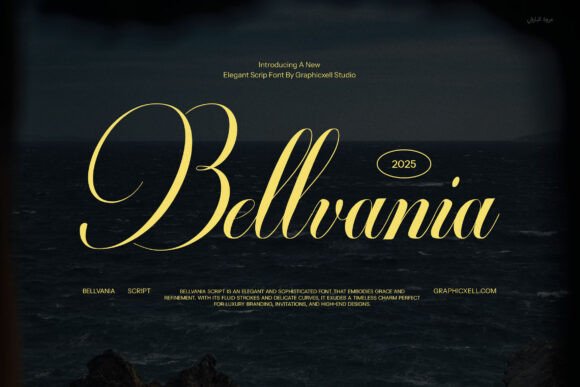
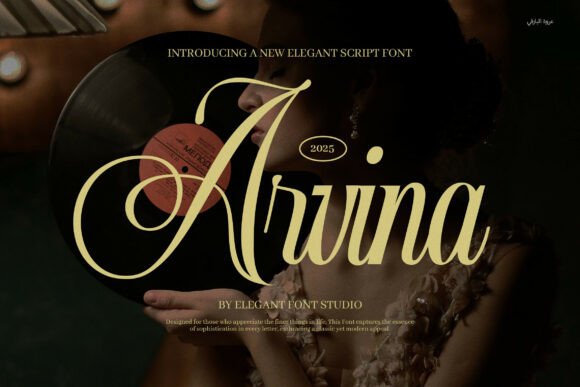
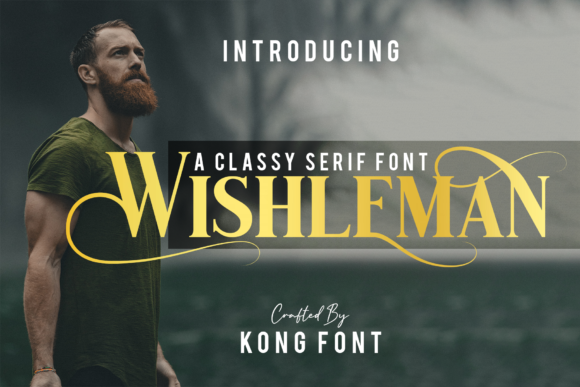
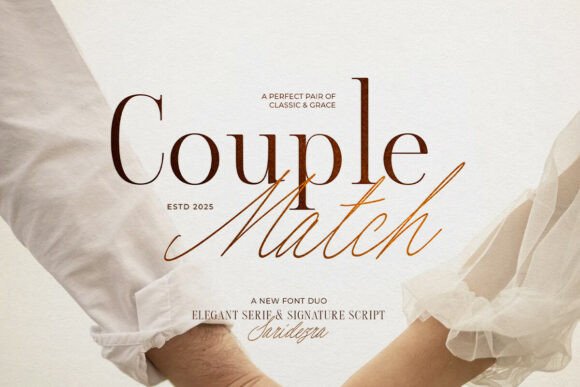
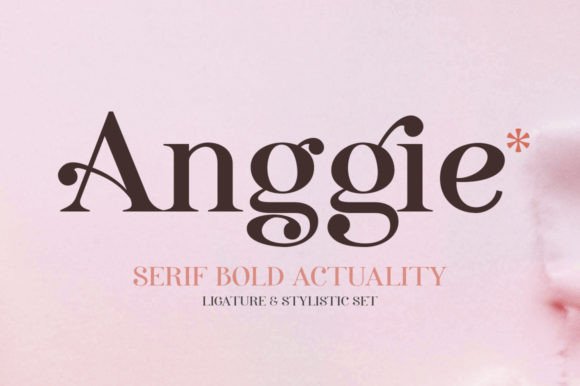
When you first encounter the Anggie typeface, it’s less like seeing a new font and more like meeting a character with a distinct personality. It carries an inherent elegance, a creative mood that feels both timeless and distinctly contemporary. Inspired by the grace of serif display typography, Anggie is a script font that doesn’t just write words; it composes them. Its strokes are thick and confident, yet balanced with a varied, organic flow that avoids the rigidity of many digital scripts. This isn’t a simple handwritten font; it’s a carefully crafted premium font designed for moments that demand beauty and sophistication.
What sets Anggie apart is its perfect form. Each letter, whether uppercase or lowercase, feels intentional. The connections between letters are smooth and logical, creating a natural rhythm that guides the eye. The inclusion of numbers and punctuation means it’s fully equipped for real-world projects, from a wedding date to a product price. But the real depth lies in its alternative characters. These stylistic alternates and swashes are not just decorative extras; they are tools. An early sweep can give a logo a more dynamic entrance, while a late flourish on a final letter can add a sense of completion to a monogram. This versatility makes Anggie a powerful design asset for anyone building a brand identity that needs to feel both luxurious and approachable.
Where Anggie Truly Shines: From Logotypes to Luxury Labels
Understanding where a font works is just as important as liking how it looks. Anggie’s creative font character makes it a natural fit for projects where first impressions are everything. Think of a logo design for a boutique hotel, a high-end cosmetics brand, or a bespoke jewelry maker. The font’s thick, balanced strokes ensure it remains legible even at smaller sizes, a common challenge with many script typefaces. Its personality conveys quality and care, immediately setting a tone of professionalism and aesthetic sensibility.
Beyond the logo, Anggie excels in applications that rely on emotional connection. Wedding invitations and romantic stationery are obvious homes, where its elegant flow mirrors the sentiment of the occasion. For packaging design, especially in the alcohol, gourmet food, or perfume industries, Anggie can elevate a product from a mere item to an experience. It suggests craftsmanship and tradition, which can significantly influence consumer perception. In editorial design, it can be used for feature titles in magazines or chapter headings in books, adding a layer of visual interest that a standard serif or sans serif font might not provide. Even in the digital space, a carefully chosen heading set in Anggie can make a social media graphic or a website banner stand out in a crowded feed.
Practical Guidance: Selecting and Pairing Anggie
Choosing a font like Anggie requires a thoughtful approach. It’s a display font, meaning it’s designed for impact, not for long paragraphs of body text. Its strength is in headlines, logos, and short, impactful statements. The first step is to evaluate your project’s core message. Does it call for a touch of romance, luxury, or artisanal quality? If the answer is yes, Anggie is a strong candidate. If your project requires a more neutral or technical tone, it might not be the right fit.
Once you’ve decided to use it, the next crucial step is font pairing. A powerful script like Anggie needs a supporting cast that complements without competing. The classic strategy is to pair it with a clean, simple sans serif font. A typeface like Montserrat, Lato, or Open Sans provides a calm, readable foundation for body text, allowing Anggie’s personality to shine in the headlines without overwhelming the viewer. Alternatively, pairing it with a modern, geometric serif can create a sophisticated and cohesive modern typography system, but this requires careful testing to ensure the weights and styles harmonize.
Always test the font in context. Download the trial version if available and place it within your actual design mockups. Check the readability of your specific words and phrases. Does the ‘L’ connect awkwardly with the ‘a’? This is where the alternative characters become invaluable. Swap in a different ‘a’ or add a swash to solve visual problems. Review all the included styles—does it have the weight you need? Finally, for any commercial project, verify the commercial font licensing. Ensure the license covers your intended use, whether for digital products, printed merchandise, or client work. A beautiful font is a fantastic tool, but using it correctly and legally is what makes your work truly professional.